About Me
My name is Chloe Jackson, and my interest in access and inclusion began at a young age. My brother was diagnosed with autism at the age of three, and growing up alongside him shaped how I learned to understand, support, and interact with individuals with disabilities. I started doing theatre in high school, and fell in love with the process of creating characters and performing. These early experiences laid the foundation for my values and perspective.
As I entered college, I began to explore disability and access in a more academic way. Through a semester-long independent study in disability theory, I gained the vocabulary and frameworks to better understand what I had witnessed my whole life. I learned how systems, including artistic institutions, often unintentionally exclude people through language, structure, and assumptions about bodies, behavior, and ability. That learning pushed me to ask deeper questions about the spaces I loved most — especially theatre.
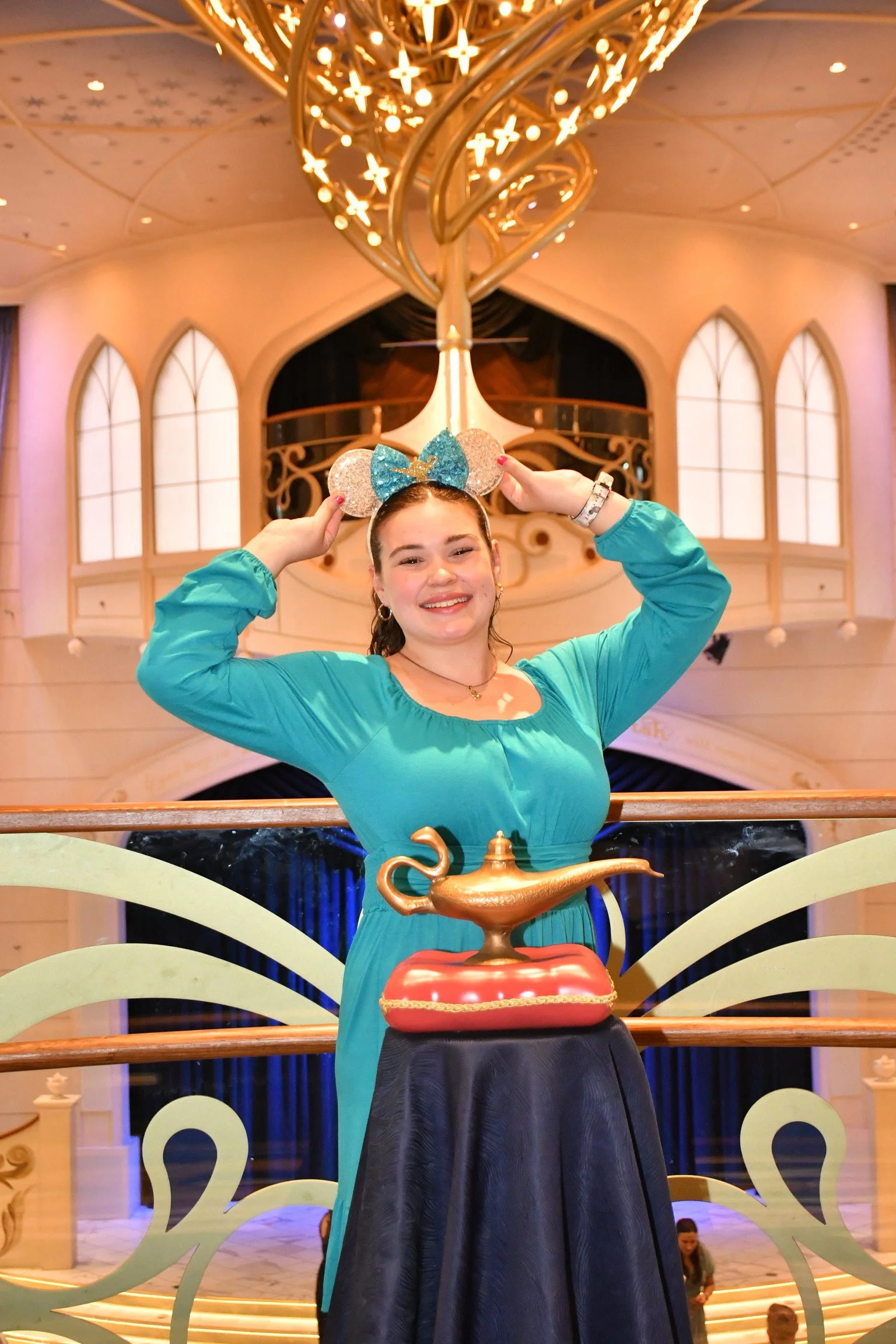
Photo taken on Disney Cruise in 2026
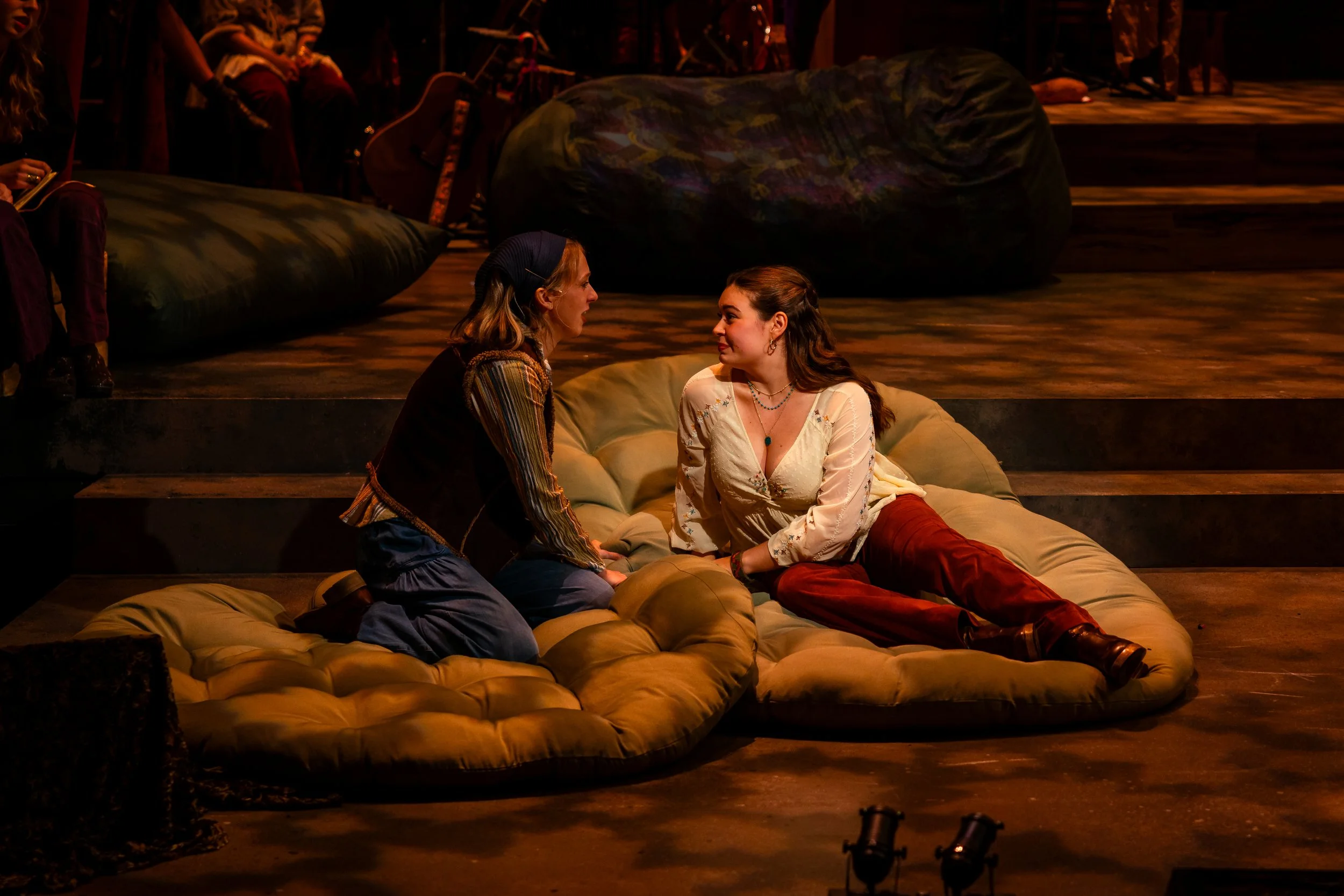
As You Like It - Directed by Aaron Posner, 2024. Featured is Alyssa Nolan
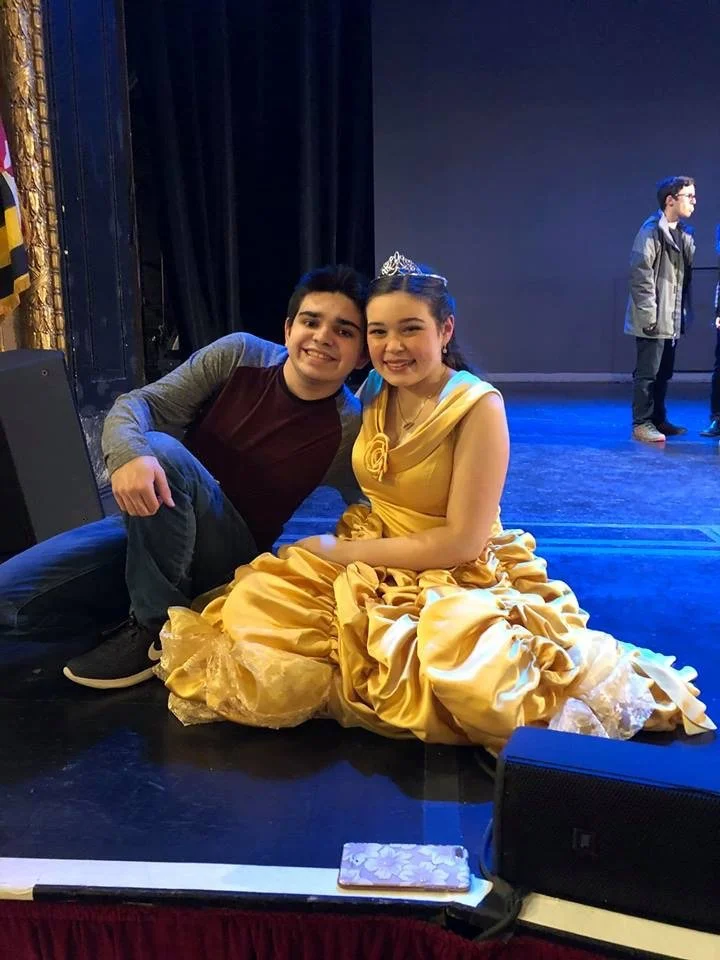
Beauty and the Beast - Directed by Brenda Yankaskas, 2019. Featured is my brother.
My cat, Finn, in a bowtie
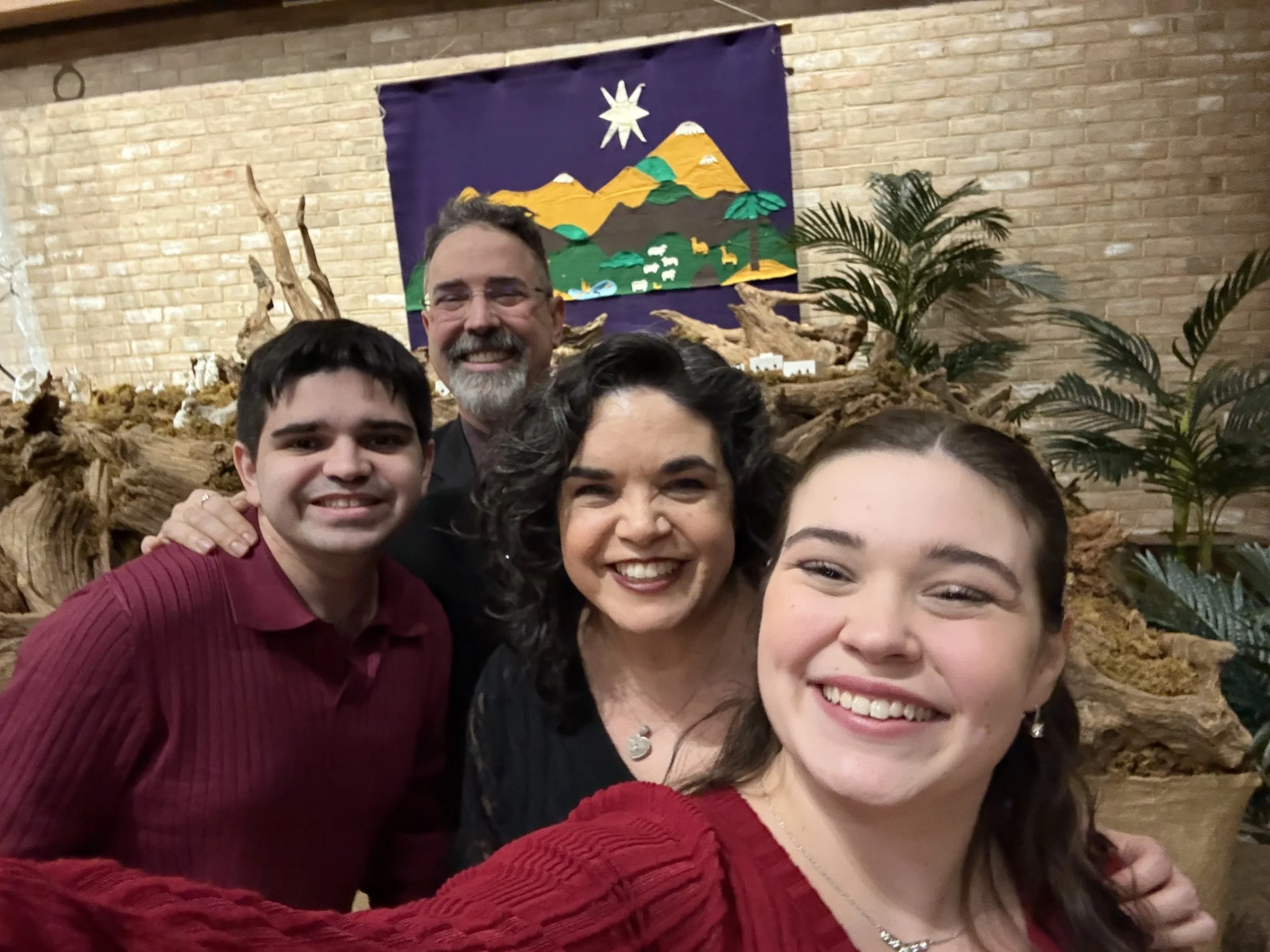
Photo taken in 2025. Featured is my mom, dad, and brother
What Is This Website About?
Expanding Knowledge to Expand Inclusion came to life during 2026 as my theatre capstone project. I set out to create a living document—one that could grow, shift, and respond—offering accessible information and resources centered on access and inclusion in the theatre community. This website includes a glossary, how-to guides, language examples, testimonials, and evolving resources designed to support learning and curiosity.
At its core, this project is rooted in the belief that knowledge builds confidence, and confidence builds care. I am deeply passionate about giving everyone a voice, especially those within the disability community, and about challenging systems that unintentionally exclude. This site is not about having all the answers, but about asking better questions, practicing inclusive language, and encouraging thoughtful, human-centered approaches to access. It is meant to be a starting point—for educators, artists, students, and anyone interested in creating more inclusive spaces.