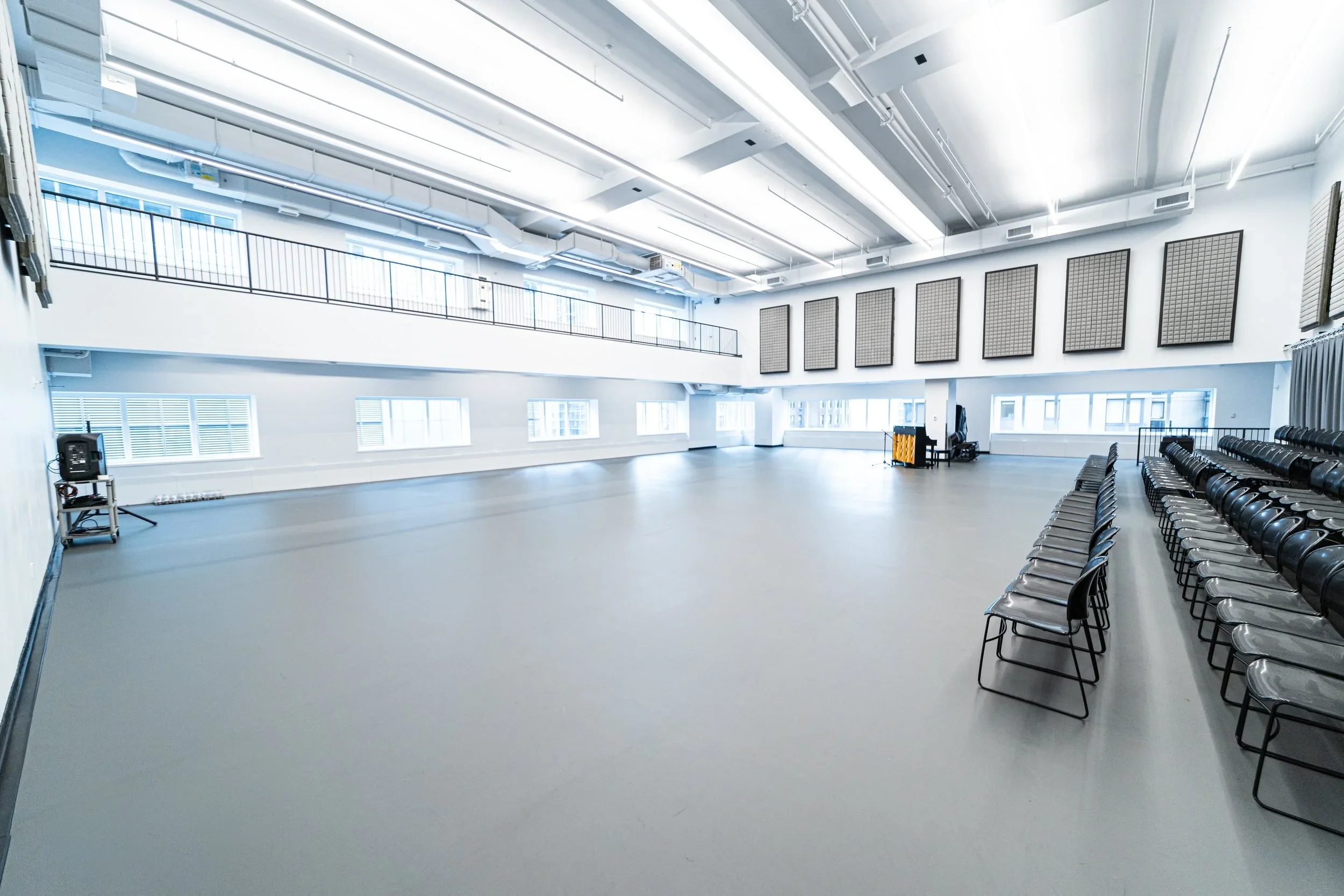
Making A Rehearsal Space More Accessible
Creating a rehearsal space that is accessible and inclusive for all is an essential part of the artistic process. The way a room is structured, the language that is used, and the expectations that are set all directly impact who feels safe, supported, and able to participate fully. Accessibility is not about having a perfect space, but about remaining flexible, responsive, and open to individual needs as they arise.
The methods below offer practical ways to bring these values into rehearsal and classroom spaces, helping to foster collaboration, trust, and meaningful creative work.
Set Clear Expectations:
On the first day of rehearsal you can share rehearsal norms that will be common. For example: breaks, consent, how to ask for help. You can normalize asking questions and advocating for needs, and make it clear that accessibility requests are welcome at any time — not just once.
Why? These practices can help lower anxiety and build trust.
Create Sensory Friendly Options:
An easy way to help create a sensory friendly space is designate a quiet corner or calm space. This space can be used when someone is feeling overstimulated or just needs a quiet moment. Give advance notice for loud sounds, strobe effects, or sudden changes, and keep lighting consistent when you can.
Why? When we are sensory aware it can help support focus and regulation, especially in space with higher expectations.
Normalize Breaks and Rest:
Scheduling breaks consistently and honoring them builds trust and shows that it is important to rest. Encourage hydration, stretching, and rest throughout the rehearsal. If you are a part of the artistic team, model taking breaks as well. When it is break time, stop what you are doing and step away.
Why? Rest prevents burnout and injury, it allows actors and the team to work harder on what needs to get done when they are working.
Communicate Goals:
At the beginning of each rehearsal share rehearsal plans for that day and the goals you are planning to reach in the allotted amount of time. When notes are given make them clear, use specific language to help make the note clear. Summarize changes verbally and in writing when possible.
Why ? Clear communication can reduce confusion and stress.
Invite Feedback — and Act on It
Provide anonymous or low-pressure ways to share concerns that individuals might be having during the rehearsal process. Check in regularly with each actor, not just when there’s a problem, and be willing to make adjustments if so asked upon.
Why? Listening builds accountability and community.

This image is from Howard Memorial Hospital