In Practice
The In Practice section highlights how my experiences extend beyond training and into real-world application. It reflects the ways I actively implement what I’ve learned—through collaboration, leadership, and creative work—bridging the gap between knowledge and meaningful impact.
One experience that has really stayed with me came from my time teaching dance to adults with disabilities. While working at ArtStream and choreographing for their spring show, I worked with an actor who was visually impaired. At first, I found it challenging—how was I supposed to teach movement to someone who couldn’t see what I was demonstrating to everyone else?
It pushed me to completely rethink how I communicated the movement I was teaching. Instead of relying on just showing the movement, I had to connect it to something that felt familiar. For example, I described a turning jazz hand as the feeling of quickly twisting a doorknob.
That shift changed everything for me. It made me more aware of how I am describing what I am doing and how I can connect it to everyday activities. It’s something that continues to shape how I teach and how I approach movement as a whole.
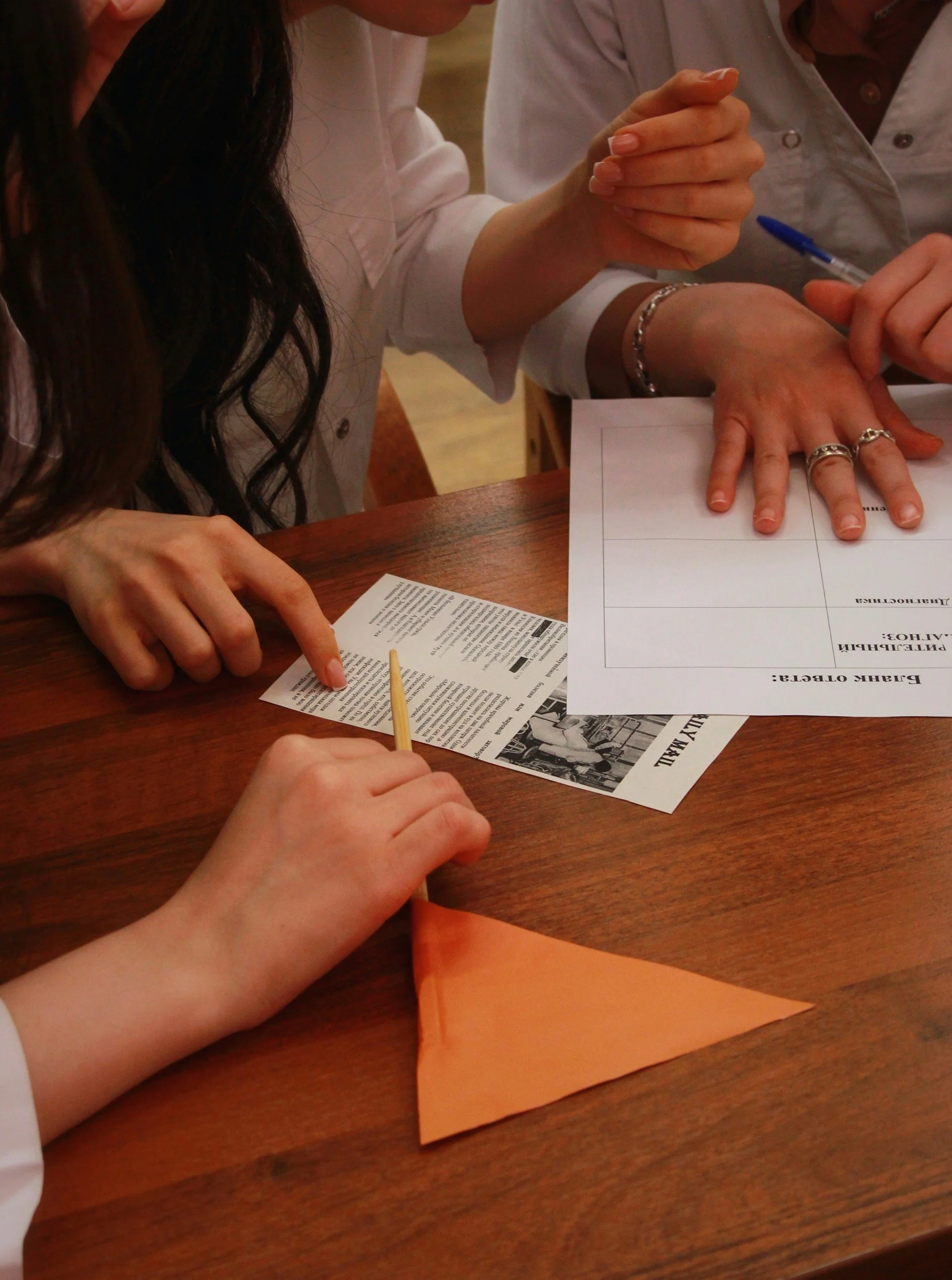
Working in different teaching environments has made me more aware of how differently people process information. Many classrooms rely heavily on one mode of learning—often visual—and I’ve seen how that can unintentionally leave some students behind. This has pushed me to become more flexible in how I communicate and to pay close attention to how someone is understanding the information I’m sharing, not just what I’m saying.
In my classrooms, I aim to create an environment where information is accessible in multiple ways. I provide handouts, write the schedule on the board, and use presentations so students can engage visually and at their own pace. It’s a small shift, with a few extra steps, but it makes a meaningful difference in helping everyone feel more oriented, supported, and included.